
Introduction
LinkedIn Games have quickly become one of the platform’s most engaging features, giving professionals a fun way to sharpen their thinking while taking short breaks from networking and job searching. Unlike traditional social media games, LinkedIn Games focus on logic, vocabulary, and strategic thinking rather than competition or entertainment alone.
Whether you’re a student, entrepreneur, recruiter, business owner, or corporate employee, these daily puzzles provide an enjoyable challenge while encouraging healthy mental exercise. Since each puzzle refreshes daily, millions of users return regularly to maintain streaks, compare results with connections, and improve their problem-solving skills.
In this comprehensive guide, you’ll learn everything about LinkedIn Games, including how they work, the available game types, their benefits, strategies for improving your scores, and why they’ve become a favorite feature among professionals worldwide.
What Are LinkedIn Games?
LinkedIn Games are browser-based puzzle games available directly within LinkedIn. They are designed to encourage logical reasoning, pattern recognition, vocabulary development, and strategic planning.
Unlike many online games that require lengthy play sessions, LinkedIn Games are intentionally short. Most can be completed in just a few minutes, making them ideal during coffee breaks, lunch hours, or while commuting.
Each game offers a fresh puzzle every day, allowing players to build daily habits while exercising their minds.
Why LinkedIn Introduced Games
LinkedIn has traditionally focused on professional networking, career growth, recruitment, and business communication. The introduction of games serves several purposes.
First, they increase user engagement without distracting from the platform’s professional atmosphere.
Second, they encourage users to visit LinkedIn more frequently.
Third, they provide a fun yet intellectually stimulating experience that aligns with professional development.
Rather than adding entertainment for its own sake, LinkedInGames emphasize learning, reasoning, and cognitive skills.
Types of LinkedIn Games
LinkedIn currently offers several unique puzzle games, each testing different mental abilities.
Pinpoint
Pinpoint challenges players to identify the common theme connecting a list of words.
At first, the connection may seem unclear. As additional clues appear, players must recognize the shared category before using all available hints.
This game strengthens:
- Critical thinking
- Vocabulary
- Categorization skills
- Pattern recognition
Crossclimb
Crossclimb combines vocabulary knowledge with logical progression.
Players arrange words into a ladder where only one letter changes between adjacent words.
Success requires careful observation and strong spelling skills.
Queens
Queens is a strategic puzzle that challenges players to place queens on a grid while following specific placement rules.
The game demands patience, planning, and logical reasoning.
Many players compare its strategic nature to classic chess-inspired puzzles.
Tango
Tango focuses on logic and deduction.
Players fill a grid while following placement rules similar to classic logic puzzles.
Each move affects future possibilities, requiring thoughtful planning instead of guesswork.
How to Access LinkedIn Games
Finding LinkedIn Games is simple.
After logging into your LinkedIn account, navigate to the Games section available from the platform’s navigation menu or search for “LinkedIn Games.”
No separate application is required.
Games are available on desktop browsers and mobile devices, allowing users to play wherever they are.
Why LinkedIn Games Have Become So Popular
Several factors contribute to the growing popularity of LinkedIn Games.
Daily Challenges
Each day introduces new puzzles, giving users a reason to return consistently.
Daily challenges create excitement while preventing repetitive gameplay.
Professional Environment
Unlike many gaming platforms, LinkedIn maintains a business-focused atmosphere.
Professionals appreciate having quick mental exercises available without leaving their networking platform.
Friendly Competition
Players can compare progress with their LinkedIn connections.
This creates lighthearted competition while encouraging regular participation.
Short Playing Time
Most puzzles take between two and ten minutes.
Busy professionals appreciate games that fit into their schedules without becoming time-consuming distractions.
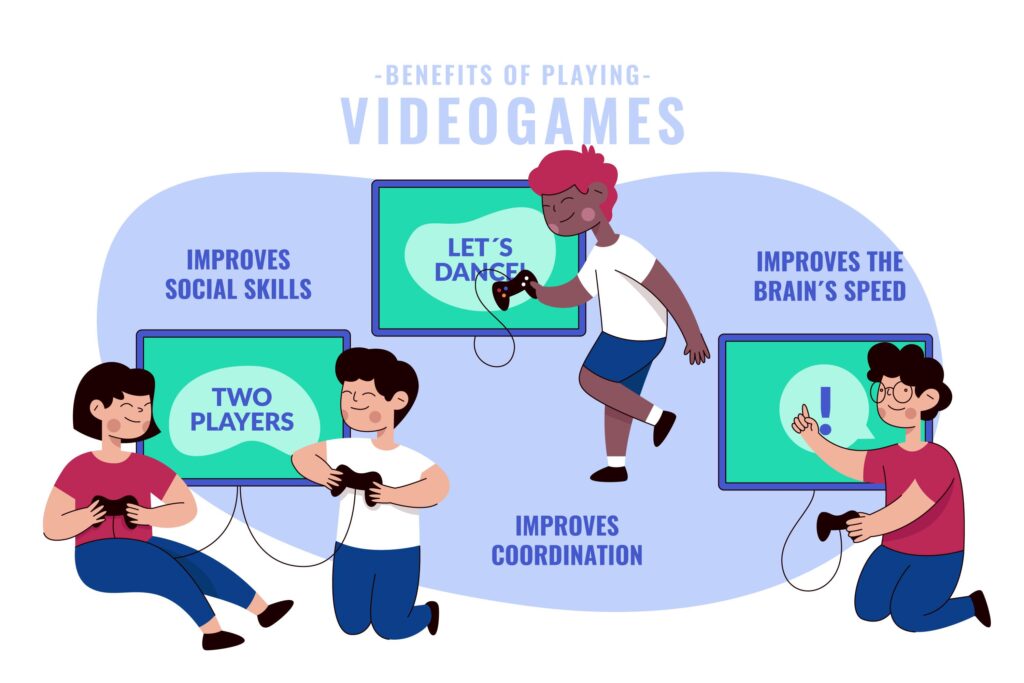
Benefits of Playing LinkedIn Games
LinkedIn Games offer far more than simple entertainment.
Improves Problem-Solving Skills
Every puzzle requires players to analyze information before making decisions.
Over time, this strengthens logical reasoning and analytical thinking.
Enhances Vocabulary
Word-based puzzles introduce unfamiliar words and reinforce existing language skills.
This can benefit business communication and professional writing.
Boosts Memory
Many puzzles require remembering clues and recognizing relationships.
Regular mental exercise may help improve memory retention.
Encourages Daily Learning
Small daily challenges support continuous learning without feeling overwhelming.
Even five minutes of focused thinking can stimulate the brain.
Reduces Mental Fatigue
Taking brief puzzle breaks during work can refresh concentration.
Instead of endlessly scrolling social media, solving puzzles offers productive relaxation.
Best Strategies to Improve Your Scores
Although every puzzle differs, several strategies consistently improve performance.
Avoid Guessing Too Early
Spend time analyzing available clues before making decisions.
Quick guesses often lead to unnecessary mistakes.
Look for Patterns
Many LinkedIn Games revolve around recognizing relationships.
Train yourself to identify recurring themes and structures.
Practice Every Day
Daily play naturally improves recognition speed and logical thinking.
Consistency matters more than lengthy practice sessions.
Learn From Mistakes
Review completed puzzles to understand where errors occurred.
Recognizing previous mistakes helps improve future performance.
Stay Patient
Some puzzles appear difficult initially.
Taking a short pause often reveals patterns that weren’t immediately obvious.
LinkedIn Games for Students
Students benefit greatly from these puzzles.
Regular gameplay helps develop:
- Vocabulary
- Logical thinking
- Critical reasoning
- Attention to detail
- Concentration
These skills support academic success across many subjects.
LinkedIn Games for Professionals
Working professionals use LinkedIn Games as productive mental breaks.
Instead of consuming passive content, puzzles encourage active thinking.
Professionals often enjoy:
- Morning brain warmups
- Lunch break challenges
- Afternoon focus resets
- Friendly office competitions
These short sessions help refresh concentration before returning to work.
Can LinkedIn Games Improve Cognitive Skills?
While no puzzle game guarantees dramatic cognitive improvements, regular mental exercise may help strengthen certain thinking abilities.
Players regularly practice:
- Decision making
- Logical analysis
- Pattern recognition
- Strategic planning
- Memory recall
- Word association
These skills can complement everyday professional tasks.
Tips for Building a Daily Playing Habit
Building consistency is easier than many people expect.
Choose one specific time each day.
Many players complete their daily puzzle:
- Before starting work
- During breakfast
- During lunch
- After work
- Before bedtime
A fixed routine helps maintain daily streaks.
Common Mistakes New Players Make
Beginners often encounter similar challenges.
Rushing Through Puzzles
Speed should never come before accuracy.
Careful thinking usually produces better results.
Ignoring Previous Clues
Every clue matters.
Revisiting earlier information often reveals overlooked patterns.
Playing While Distracted
Focus significantly improves puzzle-solving ability.
Even a few uninterrupted minutes make a noticeable difference.
Giving Up Too Soon
Many puzzles seem impossible initially.
Persistence often leads to unexpected breakthroughs.
Are LinkedIn Games Free?
Yes.
LinkedIn Games are available at no additional cost for users with LinkedIn accounts.
There are no purchases, upgrades, or premium game versions required to enjoy the daily puzzles.
Who Should Play LinkedIn Games?
LinkedIn Games appeal to a wide audience.
Ideal players include:
- Students
- Job seekers
- Business professionals
- Entrepreneurs
- Managers
- Recruiters
- Freelancers
- Educators
- Writers
- Anyone who enjoys brain-training puzzles
Because the games emphasize thinking rather than reflexes, they are suitable for nearly every age group.
Why LinkedIn Games Stand Out From Other Puzzle Platforms
Unlike traditional mobile puzzle apps filled with advertisements, virtual currencies, and endless levels, LinkedIn Games focuses on quality over quantity.
Players receive one thoughtfully designed puzzle each day.
The emphasis remains on mental development, consistency, and friendly social interaction rather than addictive gameplay mechanics.
This balanced approach aligns perfectly with LinkedIn’s mission of supporting professional growth while providing enjoyable daily experiences.

Future of LinkedIn Games
As user engagement continues to grow, LinkedIn may expand its collection with additional puzzle formats and social features.
Potential improvements could include:
- New puzzle categories
- Achievement badges
- Seasonal challenges
- Team competitions
- Personalized statistics
- Enhanced sharing options
These additions would further strengthen the feature while maintaining its professional focus.
Final Thoughts
LinkedIn Games have transformed the way professionals interact with the platform by introducing enjoyable, intellectually stimulating puzzles that fit naturally into busy schedules. Whether you’re solving word associations in Pinpoint, building vocabulary through Crossclimb, mastering logical deduction in Tango, or planning strategic moves in Queens, every game offers an opportunity to sharpen valuable cognitive skills.






One Comment