
Introduction
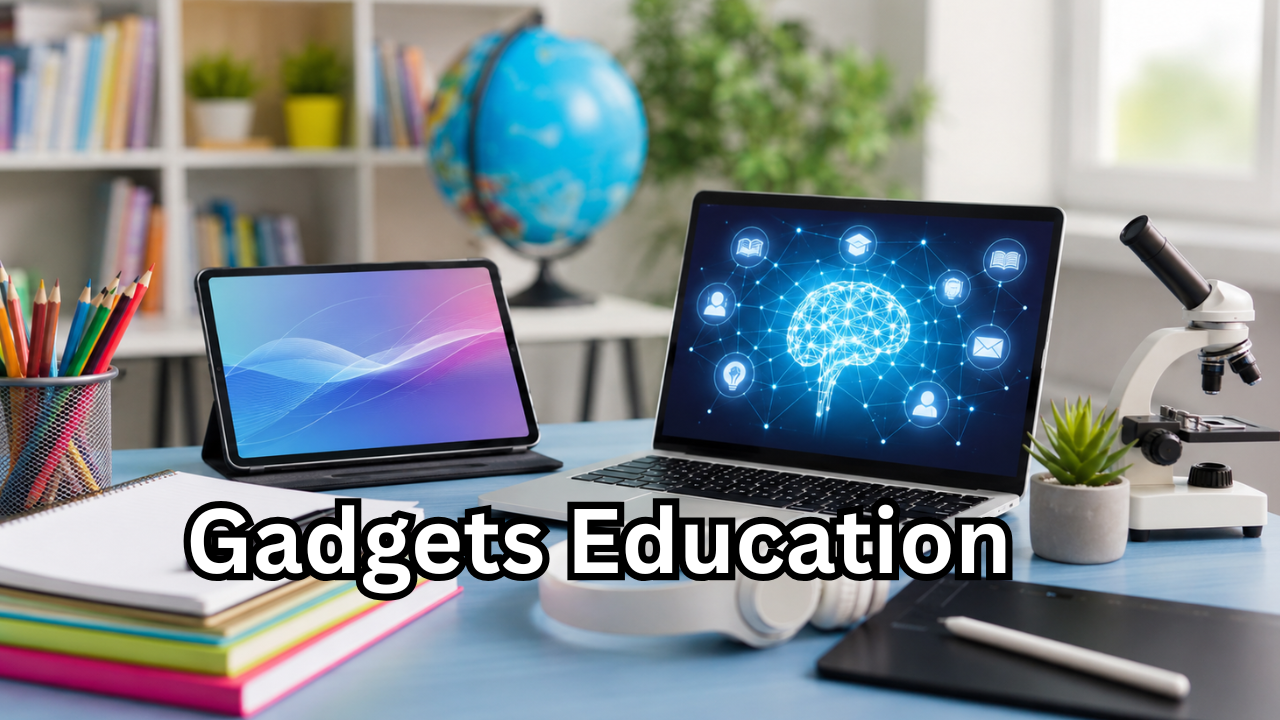
Technology has revolutionized nearly every aspect of modern life, and education is no exception. The rapid development of digital devices has changed how students learn, teachers instruct, and educational institutions deliver knowledge. Today, the concept of gadget education represents more than simply using electronic devices in classrooms. It reflects a complete transformation in learning experiences through smart technology, interactive tools, and digital resources.
Educational gadgets have become essential companions for students of all ages. Whether it’s a tablet for reading digital textbooks, a laptop for online classes, or smart accessories that improve productivity, these devices make education more flexible, engaging, and accessible than ever before.
As schools, universities, and online learning platforms continue embracing digital transformation, understanding the role of gadgets in education has become increasingly important. This guide explores how educational gadgets are reshaping learning, their benefits, challenges, and the exciting future of technology-driven education.
What Is Gadgets Education?
Gadgets in education refer to the use of electronic devices and smart technologies to support teaching, learning, research, collaboration, and academic productivity. These gadgets help learners access educational content anytime and anywhere while making lessons more interactive and personalized.
Educational gadgets include laptops, tablets, smartphones, e-readers, digital whiteboards, smart pens, headphones, projectors, virtual reality headsets, and wearable devices. Combined with educational software and internet connectivity, these tools create a modern learning environment that extends far beyond traditional classrooms.
Instead of relying solely on printed books and face-to-face lectures, students can now participate in virtual classrooms, complete assignments online, collaborate with classmates remotely, and explore multimedia learning experiences.
Why Gadgets Education Is Becoming Essential
Education continues evolving to meet the demands of the digital world. Students require more than textbooks to succeed in today’s technology-driven environment.
Smart gadgets provide instant access to information, educational videos, online libraries, interactive quizzes, digital notes, and collaborative learning platforms. This accessibility encourages independent learning while helping students build valuable digital skills.
Teachers also benefit significantly from educational gadgets. They can prepare engaging presentations, conduct online assessments, monitor student progress, and communicate efficiently with learners regardless of location.
As remote learning and hybrid classrooms become increasingly common, gadget education has shifted from being optional to becoming an essential part of modern education.
Benefits of Gadgets in Education
Educational gadgets offer numerous advantages that improve both teaching and learning experiences.
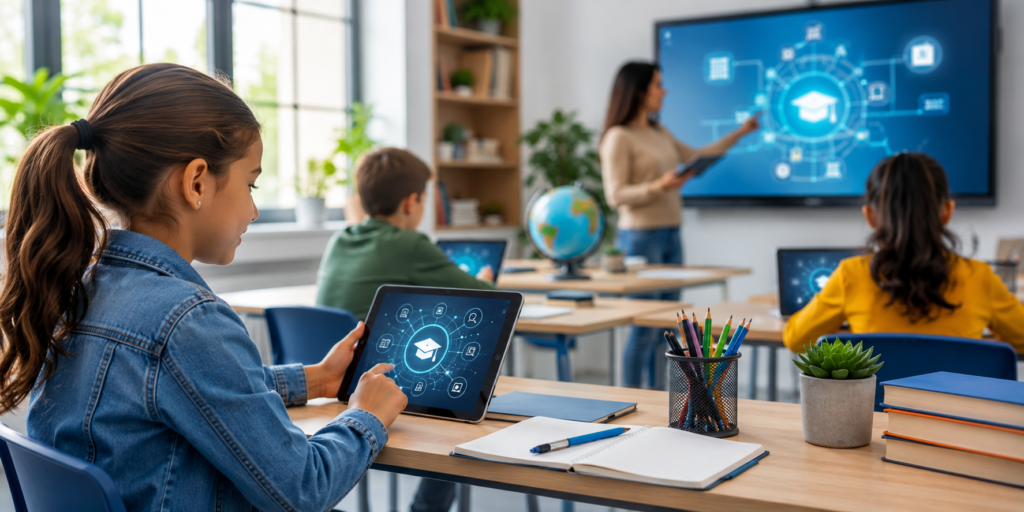
One of the greatest benefits is accessibility. Students can learn from virtually anywhere using internet-connected devices. Whether studying at home, traveling, or attending online classes, learning is no longer limited by physical classrooms.
Interactive learning is another major advantage. Videos, animations, simulations, and educational games make difficult concepts easier to understand. Visual learning often increases student engagement and improves knowledge retention.
Personalized education is also becoming more common. Many educational platforms use artificial intelligence to adapt lessons according to each student’s learning pace and performance. This customized approach allows learners to strengthen weak areas while progressing confidently.
Collaboration has improved dramatically as well. Students can work together on projects using cloud-based applications, participate in group discussions, and communicate instantly through educational platforms.
Digital organization is another valuable benefit. Students can store notes, assignments, research papers, presentations, and textbooks digitally, reducing paper usage while keeping academic materials easily accessible.
Popular Educational Gadgets
The variety of educational gadgets available today continues to expand as technology advances.
Laptops remain one of the most important learning devices. They support research, online classes, programming, document creation, presentations, and multimedia editing.
Tablets offer portability and convenience for reading digital textbooks, taking notes, drawing diagrams, and attending virtual lessons.
Smartphones have become powerful educational tools thanks to thousands of learning applications, language-learning platforms, productivity apps, and online course providers.
E-readers provide comfortable reading experiences while storing thousands of books in one lightweight device.
Noise-canceling headphones help students concentrate in noisy environments while improving audio quality during virtual classes.
Smart pens combine traditional handwriting with digital storage, allowing handwritten notes to be saved electronically.
Portable SSDs provide reliable storage for large academic projects, videos, presentations, and research data.
Wireless keyboards and ergonomic accessories improve comfort during extended study sessions.
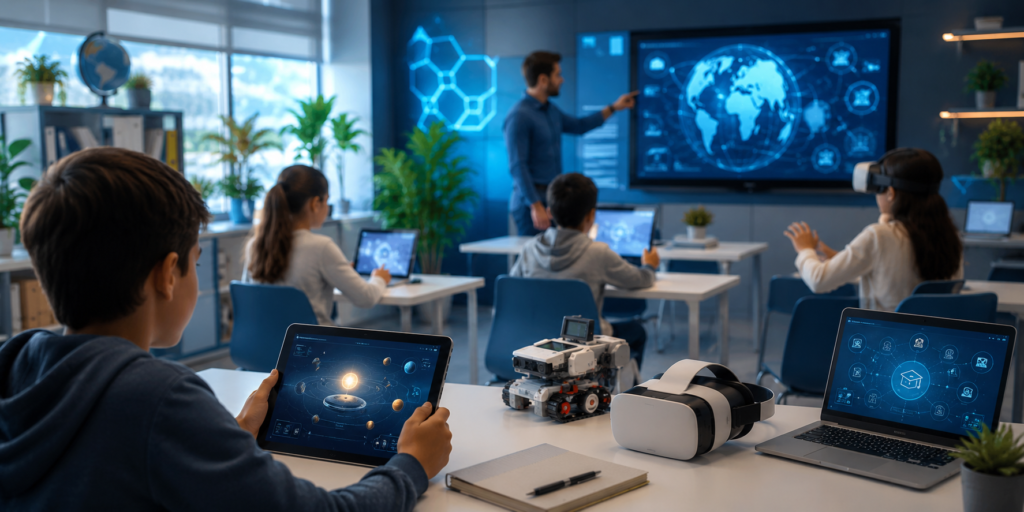
Virtual reality headsets create immersive educational experiences where students can explore historical landmarks, scientific laboratories, or even the solar system without leaving their classroom.
How Educational Gadgets Improve Student Productivity
Productivity plays an important role in academic success, and educational gadgets contribute significantly to efficient learning.
Digital calendars help students organize assignments, examinations, and project deadlines.
Task management applications improve time management by helping learners prioritize responsibilities.
Cloud storage enables students to access files across multiple devices without worrying about losing important documents.
Voice recording applications allow lectures to be reviewed later for better understanding.
Note-taking applications simplify organizing study materials while making information searchable.
Students can also use focus applications that minimize distractions and encourage productive study habits through timers and concentration techniques.
These technologies help learners spend less time organizing information and more time actually learning.
The Role of Artificial Intelligence in Gadgets Education
Artificial intelligence is becoming one of the most exciting developments in educational technology.
AI-powered learning platforms analyze student performance and recommend personalized learning paths.
Virtual tutors answer questions instantly while providing explanations based on individual understanding levels.
Grammar assistants improve writing quality through real-time suggestions.
Language-learning applications use speech recognition to help learners improve pronunciation.
AI can also automate repetitive administrative tasks for educators, allowing teachers to spend more time focusing on instruction rather than paperwork.
As artificial intelligence continues advancing, educational gadgets will become even smarter, offering personalized experiences that adapt continuously to each learner’s progress.
Gadgets Education for Teachers
Teachers benefit just as much as students from educational technology.
Interactive presentations increase classroom engagement while multimedia resources make lessons more memorable.
Digital assessment tools simplify grading and provide immediate feedback to students.
Learning management systems organize assignments, attendance, grades, announcements, and communication within one platform.
Video conferencing software enables remote teaching without compromising educational quality.
Teachers can also access extensive online resources, lesson plans, educational communities, and professional development courses to improve their teaching strategies.
Technology empowers educators to become facilitators of learning rather than simply providers of information.
Challenges of Using Gadgets in Education
Although educational gadgets offer many advantages, certain challenges remain.
Excessive screen time may contribute to eye strain and reduced physical activity if not balanced properly.
Internet distractions such as social media and entertainment platforms can affect concentration during study sessions.
Not all students have equal access to high-quality devices or reliable internet connections, creating educational inequalities.
Cybersecurity and online privacy also require attention. Students should learn responsible digital behavior while protecting personal information.
Educational institutions should establish clear technology guidelines to encourage healthy, productive, and secure gadget usage.
Tips for Using Educational Gadgets Effectively
Students should choose gadgets that match their academic needs rather than purchasing unnecessary technology.
Keeping devices updated improves security and performance.
Organizing digital files into folders saves time and reduces confusion during assignments.
Using cloud backups prevents accidental data loss.
Creating distraction-free study environments helps maximize productivity.
Taking regular breaks reduces eye strain while maintaining mental focus.
Most importantly, gadgets should support learning rather than replace critical thinking, creativity, or meaningful classroom interactions.
Future Trends in Gadgets Education
The future of educational technology looks incredibly promising.
Artificial intelligence will continue to personalize education for individual learners.
Augmented reality will allow students to visualize complex scientific concepts through interactive 3D models.
Virtual reality will make immersive educational experiences increasingly affordable.
Wearable devices may monitor concentration levels and support personalized learning recommendations.
Smart classrooms will integrate cloud computing, automation, and connected devices to create highly collaborative educational environments.
Blockchain technology may improve the security of academic records and certifications.
As technology evolves, educational gadgets will become more intelligent, accessible, and integrated into everyday learning.
Conclusion
The evolution of gadget education is transforming how knowledge is delivered, shared, and experienced across the world. Modern educational gadgets empower students to learn more efficiently, help teachers deliver engaging lessons, and create opportunities for lifelong learning beyond traditional classrooms.
Also Read: Bored Flix: The Complete Guide to Endless Entertainment and Online Streaming






One Comment