
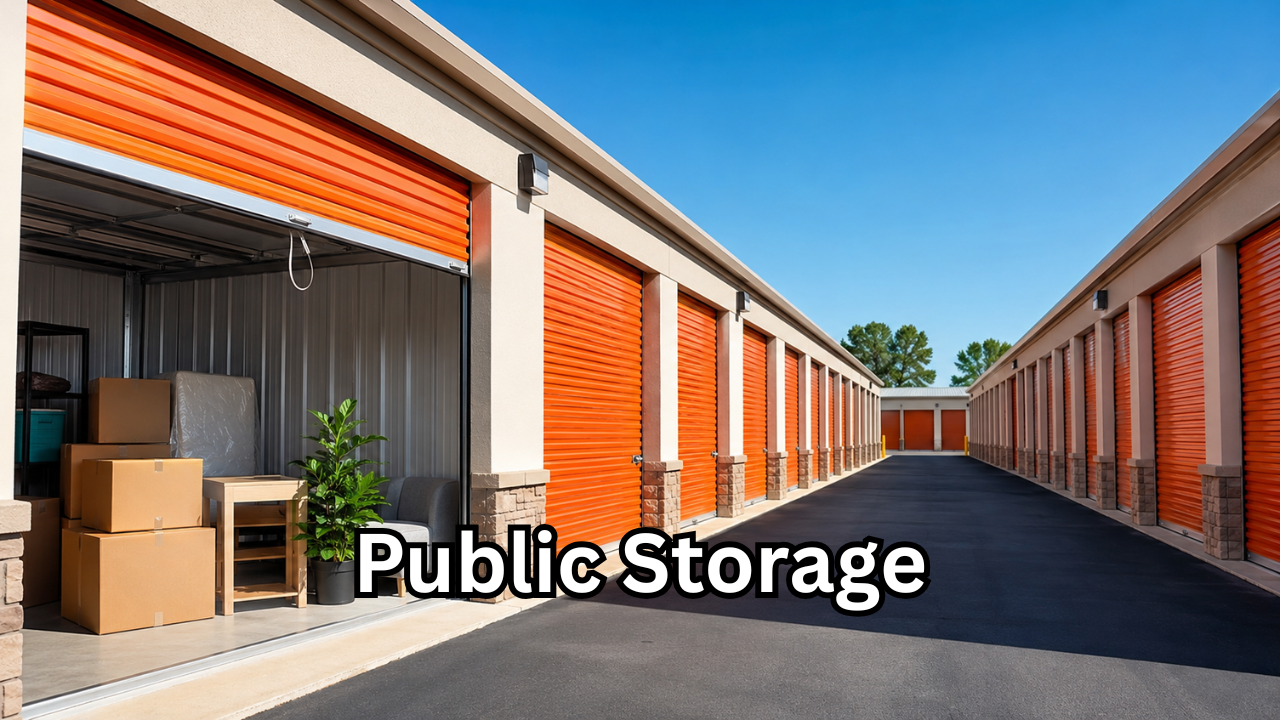
Public Storage has become one of the most recognized names in the self-storage industry, helping millions of individuals and businesses safely store their belongings. Whether you’re moving to a new home, renovating your property, downsizing, or simply looking for extra space, Public Storage offers convenient storage options designed to fit a wide variety of needs.
With thousands of storage facilities across the United States, customers can choose from different unit sizes, climate-controlled storage, vehicle storage, and business storage solutions. The company’s reputation for convenience, security, and accessibility has made it a trusted choice for homeowners, renters, students, and business owners alike.
In this comprehensive guide, you’ll learn everything you need to know about Public Storage, including its services, benefits, pricing factors, security features, storage tips, and how to choose the perfect storage unit.
What Is Public Storage?
Public Storage is one of the largest self-storage providers in the United States. The company offers secure storage units for personal and commercial use, allowing customers to rent space every month without long-term commitments.
Storage units are available in various sizes, making them suitable for storing everything from a few household boxes to the contents of an entire home or office. Many facilities also provide climate-controlled units, vehicle storage, moving supplies, and online account management for added convenience.
The flexibility of month-to-month rentals makes Public Storage an attractive option for both short-term and long-term storage needs.
Why People Choose Public Storage
People rent storage units for many different reasons, and Public Storage provides solutions for almost every situation.
Some of the most common reasons include:
- Moving between homes
- Home remodeling projects
- College students storing belongings during vacations
- Business inventory storage
- Office equipment storage
- Seasonal decorations
- Sports equipment
- Furniture storage
- Military deployment
- Travel or relocation
Instead of overcrowding garages, closets, or spare rooms, a storage unit provides organized and secure extra space.
Different Types of Storage Units
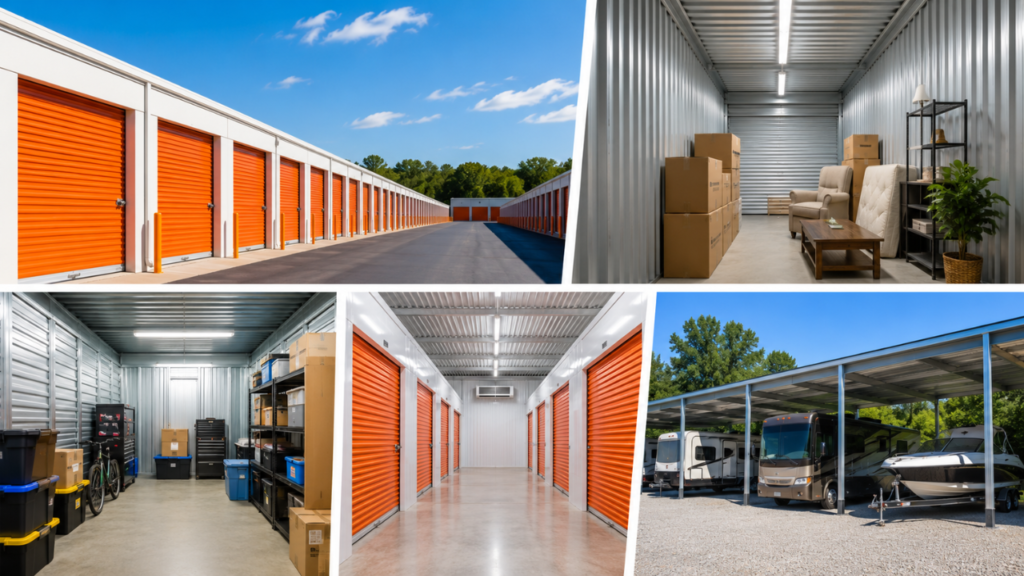
One of the biggest advantages of Public Storage is its variety of storage options.
Indoor Storage Units
Indoor units are located inside secure buildings and provide additional protection from weather conditions. These units are ideal for furniture, electronics, documents, clothing, and personal belongings.
Outdoor Storage Units
Outdoor units allow easier vehicle access for loading and unloading. They are especially useful for large furniture, heavy equipment, or frequent visits.
Climate-Controlled Storage
Climate-controlled units help protect temperature-sensitive items by maintaining a more stable environment.
These units are recommended for:
- Wooden furniture
- Musical instruments
- Electronics
- Artwork
- Antiques
- Important paperwork
- Family photographs
- Leather furniture
Temperature fluctuations and humidity can damage valuable belongings over time, making climate-controlled storage an excellent investment.
Vehicle Storage
Many Public Storage locations offer storage for:
- Cars
- Motorcycles
- Boats
- RVs
- Trailers
Vehicle storage can be especially useful for seasonal vehicles or when parking space is limited at home.
Storage Unit Sizes
Choosing the correct unit size is important because it helps avoid paying for unnecessary space while ensuring your belongings fit comfortably.
Small units work well for:
- Boxes
- Small furniture
- Office files
- Seasonal items
Medium units are suitable for:
- Apartment contents
- Bedroom furniture
- Appliances
- Business inventory
Large units can typically accommodate:
- Entire household contents
- Large office equipment
- Multiple rooms of furniture
- Commercial storage
Many facilities also have storage experts who help customers estimate the ideal unit size before renting.
Security Features
Security is one of the primary reasons people trust Public Storage.
Many facilities include advanced security measures designed to protect customer belongings.
Common security features include:
- Electronic gate access
- Individual unit locks
- Video surveillance
- Well-lit facilities
- Fenced property
- On-site management
- Personalized access codes
While security features may vary by location, customers generally appreciate the company’s focus on providing a safe storage environment.
Benefits of Renting Public Storage
There are many reasons why customers continue choosing Public Storage over other storage providers.
Flexible Rental Terms
Most storage units are rented on a month-to-month basis, giving customers flexibility without long-term contracts.
This makes storage especially convenient during uncertain life events like moving, job relocation, or temporary home renovations.
Convenient Locations
Thousands of facilities throughout the country make it easier for customers to find storage close to home or work.
Easy access reduces travel time and makes retrieving belongings more convenient.
Multiple Unit Sizes
Customers can choose from numerous unit sizes depending on their specific storage needs.
Whether storing a few boxes or an entire home’s contents, there is usually an appropriate option available.
Business Storage Solutions
Businesses often need additional space without investing in larger office buildings.
Public Storage can help companies store:
- Inventory
- Marketing materials
- Office furniture
- Business documents
- Equipment
- Seasonal merchandise
This helps reduce overhead while keeping operations organized.
How Public Storage Pricing Works
Storage prices vary depending on several important factors.
These typically include:
Location
Facilities located in busy metropolitan areas often have higher rental prices compared to suburban or rural locations.
Unit Size
Larger units generally cost more than smaller ones because they provide additional storage capacity.
Climate Control
Climate-controlled units usually have slightly higher monthly rates due to their specialized environmental systems.
Demand
Seasonal demand can influence storage pricing.
For example, the moving season during spring and summer often increases demand for storage units.
Promotions
Many locations offer introductory discounts or move-in specials for new customers.
Comparing available promotions can help reduce initial storage costs.
Tips for Packing Your Storage Unit
Packing your storage unit efficiently helps maximize space while protecting valuable belongings.
Use Quality Boxes
Strong moving boxes are less likely to collapse during long-term storage.
Using similar-sized boxes also helps create stable stacks.
Label Everything
Clearly label every box on multiple sides.
This makes finding items much easier later without unpacking the entire unit.
Protect Fragile Items
Wrap breakable belongings with bubble wrap, packing paper, or protective blankets.
Glassware, mirrors, and electronics should receive extra cushioning.
Create Walkways
Leave a narrow aisle inside the unit whenever possible.
This allows easy access to stored items without moving everything around.
Place Heavy Items on the Bottom
Heavy furniture and boxes should always be placed beneath lighter belongings to prevent damage.
Store Frequently Used Items Near the Front
If you’ll need certain items regularly, position them close to the entrance for quicker access.
Climate-Controlled Storage: Is It Worth It?
Many customers wonder whether climate-controlled storage is necessary.
The answer depends on what you’re storing.
Climate-controlled storage is highly recommended for valuable or sensitive items that can be damaged by excessive heat, cold, or humidity.
Examples include:
- Computers
- Televisions
- Artwork
- Family heirlooms
- Leather furniture
- Wooden furniture
- Medical equipment
- Vinyl records
- Important documents
Although climate-controlled units cost slightly more, they often help preserve expensive belongings over the long term.
Business Benefits of Public Storage
Business owners frequently rely on Public Storage to reduce operating expenses while keeping inventory organized.
Common business uses include:
- Product inventory
- Construction equipment
- Event supplies
- Retail merchandise
- Marketing materials
- Archived records
- Office furniture
Small businesses especially benefit because storage units eliminate the need for larger commercial office space.
Moving Made Easier
Moving can be stressful, but Public Storage often simplifies the process.
Customers can temporarily store belongings while:
- Waiting for a new home to close
- Renovating a property
- Relocating to another city
- Downsizing
- Selling a home
Temporary storage provides flexibility and helps reduce the pressure associated with strict moving schedules.
Common Mistakes to Avoid
To get the most value from your storage unit, avoid these common mistakes.
Do not overpack fragile boxes.
Avoid storing prohibited or hazardous materials.
Never place valuable documents in unprotected containers.
Avoid blocking the entrance with large furniture.
Do not forget to label your boxes.
Always use durable locks to enhance security.
Proper planning helps prevent damage and makes future access much easier.
How to Choose the Right Public Storage Unit
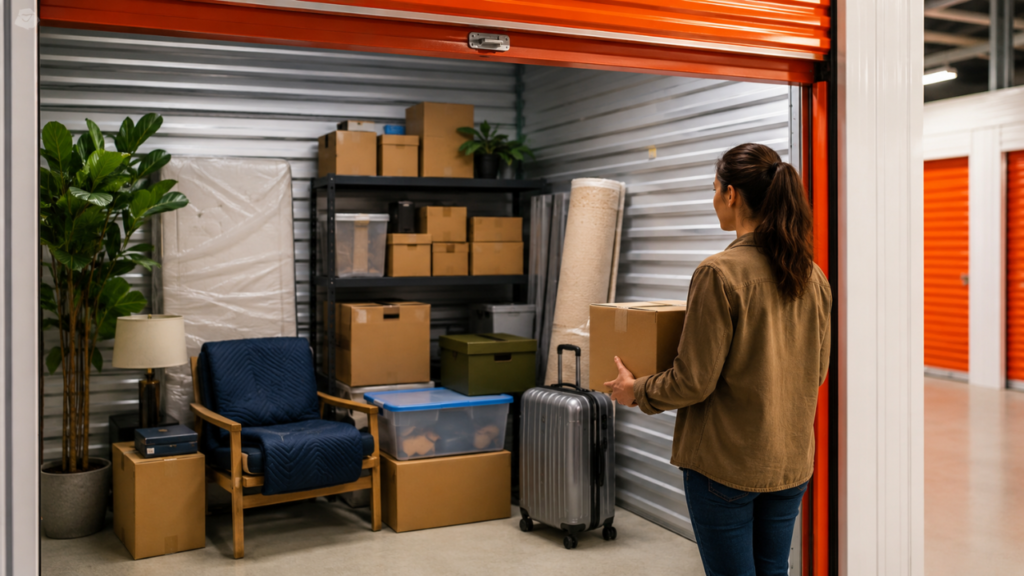
Selecting the best storage unit begins by identifying exactly what you need to store.
Ask yourself:
- How long will I need storage?
- Do my belongings require climate control?
- How often will I visit the unit?
- Do I need drive-up access?
- Will I add more items later?
Answering these questions helps ensure you rent the right storage space without unnecessary expenses.
Final Thoughts
Public Storage continues to be a trusted solution for people seeking secure, flexible, and affordable self-storage options. Whether you need temporary storage during a move, long-term storage for valuable belongings, or additional business space, the company’s wide range of storage unit sizes and convenient locations make it an excellent choice.


One Comment